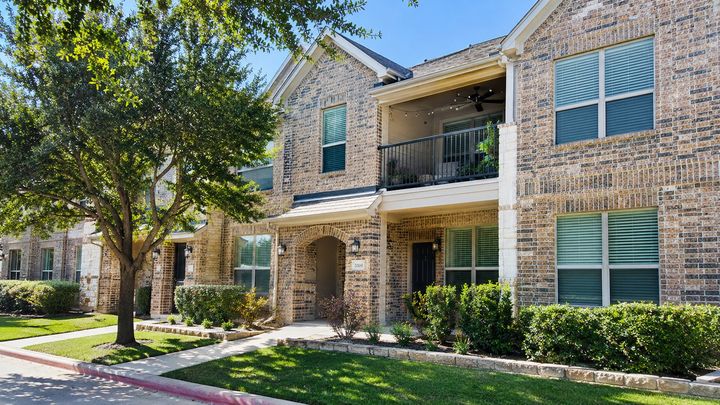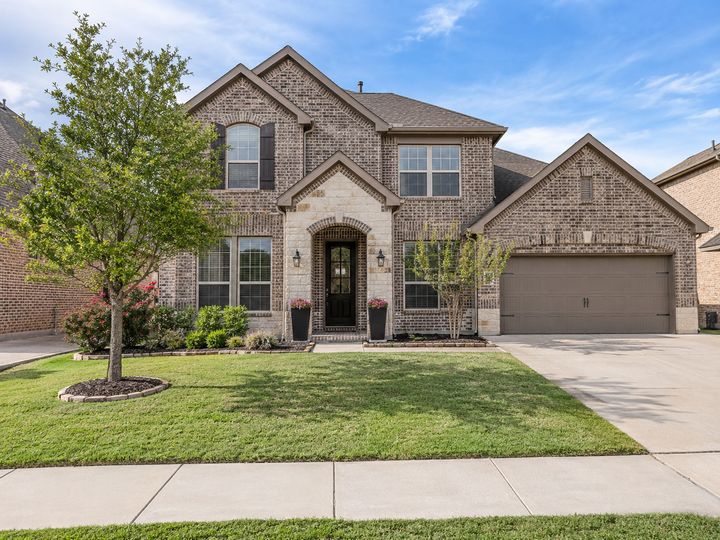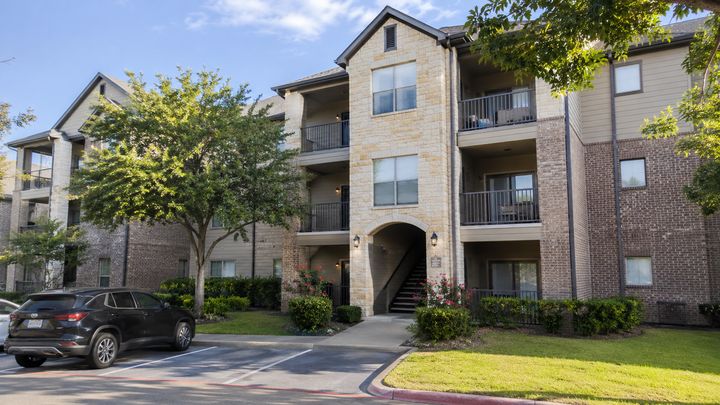
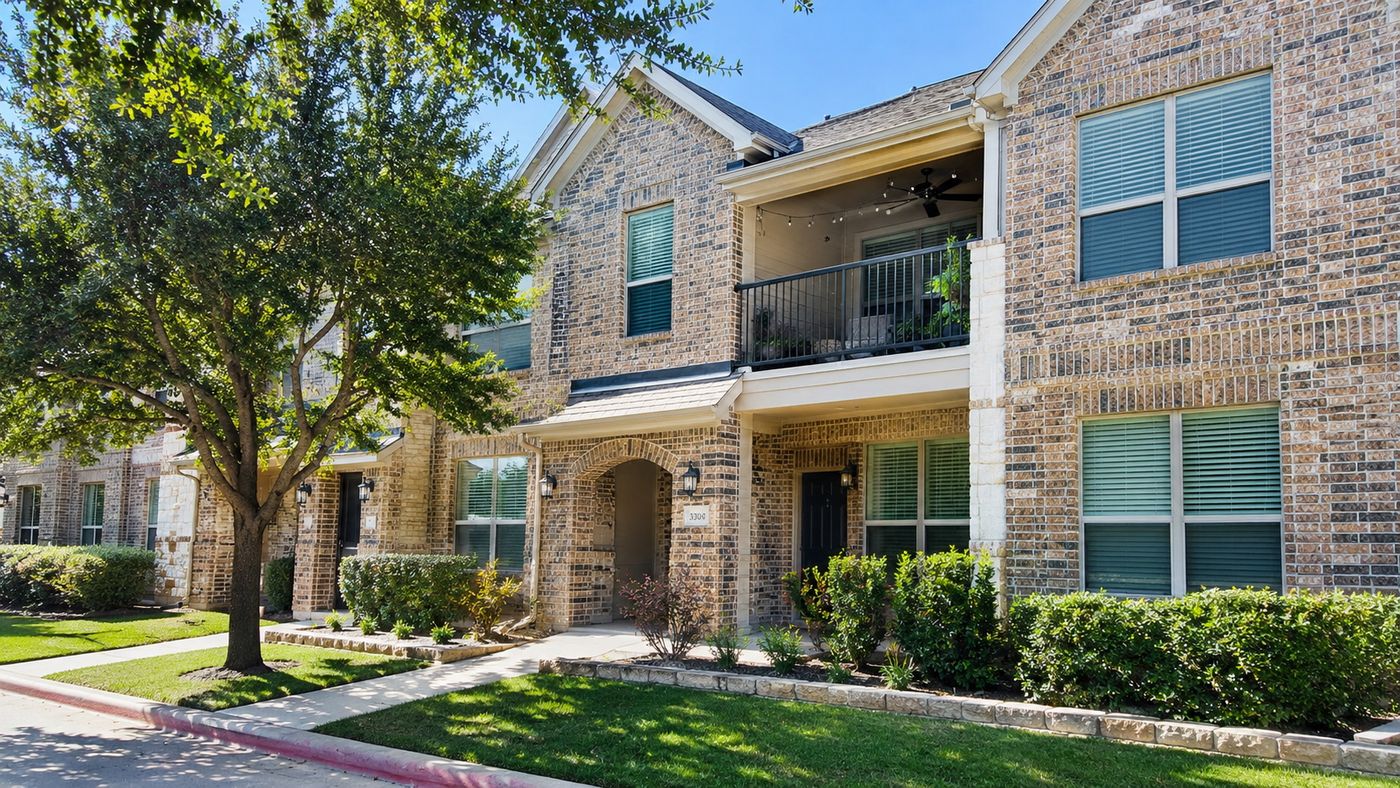
Condos and townhomes are popular across Denton, Lewisville and Flower Mound, and for good reason: less yard work, shared amenities and an HOA that handles a lot of maintenance. But when it comes to insurance, that shared responsibility creates confusion. The most common question I hear is, "Doesn't my HOA's insurance cover this?"
The answer is: partly. Here's how to figure out what you're responsible for.
What the HOA master policy usually covers
Your homeowners association carries a master policy that typically insures common areas like hallways, roofs, pools, clubhouses and exterior walls, along with liability for those shared spaces. How far that coverage reaches inside your unit depends on the type of master policy.
The three common types of master policies
- Bare walls. Covers only the building's structure. You're responsible for nearly everything inside your unit, including drywall, flooring, cabinets and fixtures.
- Single entity. Covers the structure plus the original fixtures and finishes, but not upgrades you or a previous owner made.
- All-in (all-inclusive). Covers more of the interior, including some improvements. Even then, your belongings and personal liability aren't covered.
Your HOA's governing documents, often called the declarations or CC&Rs, spell out which type you have and where your responsibility begins.
What your own condo policy (HO-6) covers
- The interior parts of your unit that the master policy doesn't cover
- Upgrades such as granite countertops, hardwood floors and custom cabinets
- Your furniture, electronics, clothing and other belongings
- Personal liability if someone is hurt in your unit or you damage a neighbor's unit
- Loss of use if you have to live elsewhere during repairs
- Loss assessment, which helps pay your share if the HOA bills owners for a large claim or a high master-policy deductible
Townhomes are different, so check carefully
In some North Texas townhome communities, the HOA insures the buildings and an HO-6 condo policy makes sense. In others, you own the structure and the land underneath it, and you need a full homeowners policy. Getting this wrong can leave you seriously underinsured.
Watch the master-policy deductible
Hail and wind deductibles on Texas master policies can be large. If the HOA passes that deductible on to owners, loss assessment coverage on your own policy can save you from an unexpected bill. Ask your HOA what its deductible is, then make sure your loss assessment limit is high enough.
Let us read the fine print with you
At Trailmark Insurance Advisors, we review your HOA documents and master policy and recommend townhome and condo coverage that fills the gaps without paying for duplicate coverage. Send Eric your HOA documents for a free review.

Eric Glenn is the founder of Trailmark Insurance Advisors, an independent, Texas-owned agency at 3616 Duchess Dr, Ste. 120 in Denton, and a licensed Texas property and casualty agent. He has been helping North Texans save money on insurance since 2020 and compares coverage from Progressive, Travelers, Liberty Mutual, The Hartford and National General. Read Eric's story. Reach him at (214) 531-7932 or eric@texastrailmark.com.
This article is general information, not legal advice or a guarantee of coverage. Coverage depends on your specific policy, carrier and underwriting.